
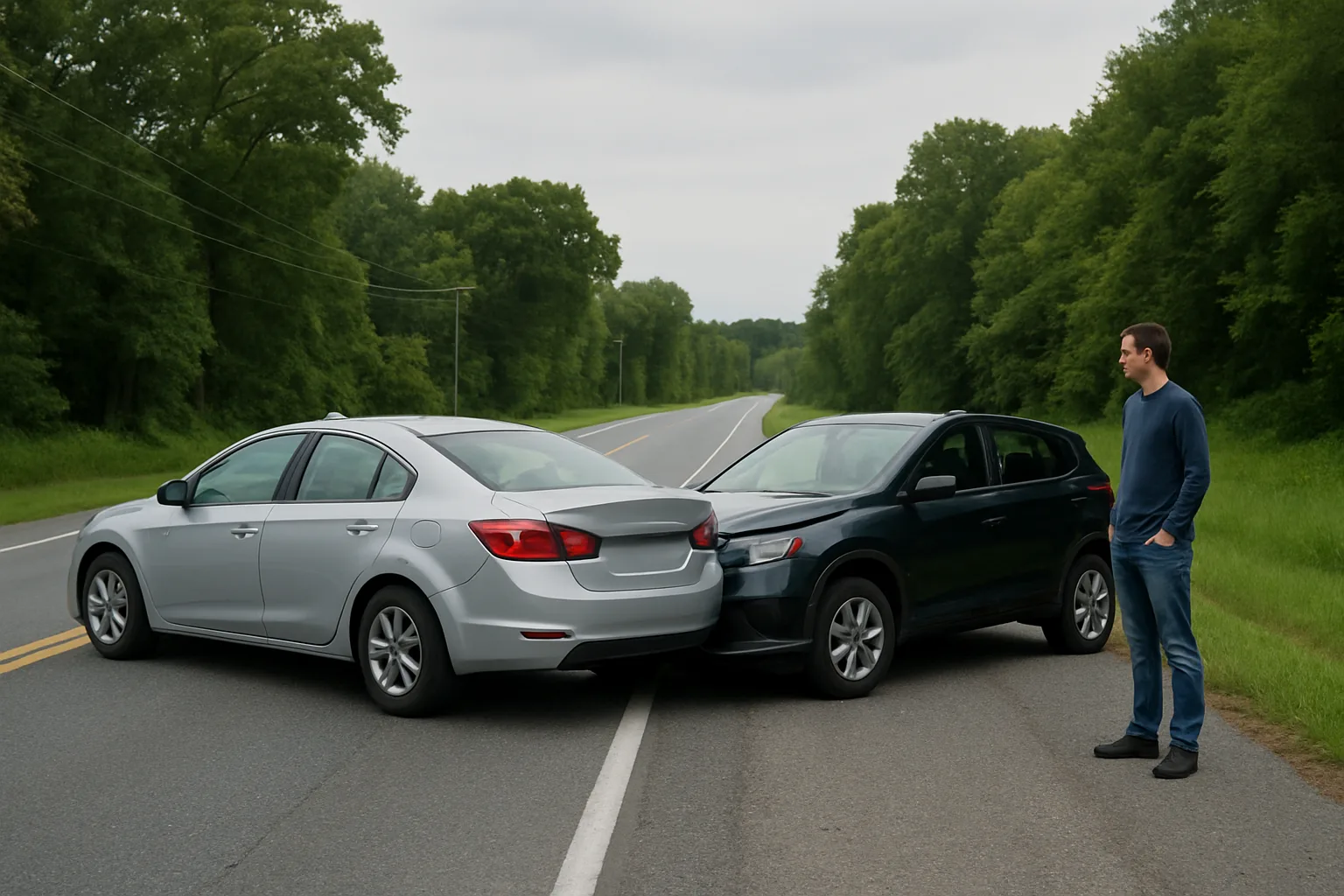
A collision can leave you shaken but apparently unhurt. Adrenaline, stress, and the fast pace of a crash scene can make it difficult to notice discomfort right away. If you are wondering what to do after a car accident in Bel Air, MD if you feel fine, a cautious, organized approach can help protect your health and preserve useful information without assuming that you have a legal claim.
The Law Offices of David Batzer helps Maryland readers understand the practical issues that can arise after a collision. This article covers delayed symptoms, medical documentation, photographs, witness information, police reports, insurance communications, and situations in which discussing the crash with counsel may be worthwhile. It is not necessary to assume the other driver was at fault or that every accident will lead to a lawsuit. The goal is to make informed decisions while the details are still available.
What to Do After a Car Accident in Bel Air, MD if You Feel Fine
Do not assume you are uninjured
Some car accident injuries that appear later may become noticeable hours or days after a collision. Headaches, neck or back discomfort, dizziness, nausea, unusual fatigue, confusion, memory problems, or changes in how you move or sleep deserve attention. These symptoms can have many possible causes, so a qualified medical professional—not an internet article—should evaluate them.
If symptoms are severe, rapidly worsening, or raise an immediate safety concern, contacting emergency services may be appropriate. Otherwise, generally speaking, consider arranging a timely medical evaluation and accurately explaining what happened, even if your first description is simply that you felt fine at the scene. A provider can determine what evaluation or follow-up is appropriate.
For additional educational information, review these brain injury symptoms that can appear after a collision. Do not use a symptom list to diagnose yourself or someone else.
Create a medical documentation file
Keep appointment details, discharge instructions, bills, prescriptions, and work or activity limitations in one place. If visible bruising, swelling, or other changes develop, photographs and dated notes may help create an accurate record. Recording how symptoms affect ordinary activities can also help you describe the situation consistently to providers. This guide to documenting accident injuries with photos, medical records, and daily notes offers related practical guidance.
Preserve Evidence and Handle Early Communications Carefully
Evidence can become harder to locate as vehicles are repaired, memories change, or witnesses become difficult to contact. If it is safe to do so, save original photographs of the vehicles, roadway, traffic controls, weather conditions, and visible damage. Do not take risks in traffic or return to an unsafe location merely to obtain a picture.
Useful steps may include:
- Obtaining names and reliable contact information for witnesses, if they are willing to provide it.
- Keeping photographs in their original form and making a backup.
- Saving towing, rental, repair, and property-damage records.
- Asking how to obtain the police report when one was made and checking it for obvious factual errors.
- Preserving relevant vehicle parts or damaged personal property until they have been documented, when practical.
The Maryland agency or law-enforcement office involved may explain how records can be requested. Procedures can differ depending on the agency and circumstances. More detail is available about preserving crash evidence after a Maryland collision.
Handle medical records and insurer communications carefully
You may need to notify an insurer about the collision, but communications should remain accurate and limited to what you know. Avoid guessing about fault, minimizing symptoms because you initially felt fine, or agreeing that an injury is unrelated before you understand the medical information. Be truthful about prior conditions and explain what changed after the crash rather than hiding relevant history.
Keep copies of correspondence, claim numbers, recorded statements, estimates, and settlement documents. An insurer’s questions and evaluation process are not the same as a medical examination or a court proceeding. Readers can review this resource on what insurers examine in medical records for a broader explanation of why clear, consistent records may matter in a Maryland car accident claim.

Common Mistakes and When to Discuss the Crash With Counsel
Feeling fine can lead people to make decisions that are difficult to revisit later. Common problems include failing to record the scene, waiting indefinitely to address new symptoms, posting detailed crash commentary online, discarding damaged property, or accepting a document without understanding what it covers. These are not automatic signs that a claim exists; they are reminders to preserve accurate information and avoid unnecessary assumptions.
Depending on the circumstances, legal guidance may be useful when:
- Symptoms develop, persist, or interfere with work or daily activities.
- The facts of the collision are disputed or the available evidence is incomplete.
- More than one vehicle, insurer, or potentially responsible party is involved.
- An insurer requests a recorded statement, presents a release, or offers payment before the medical picture is clear.
- Property damage, lost income, or medical expenses are becoming significant.
Speaking with a lawyer does not mean you must file a lawsuit. A Maryland attorney can explain possible options, deadlines, documentation issues, and communications concerns based on the facts provided. For local guidance, consider speaking with a Bel Air personal injury lawyer after an accident. If a dispute eventually requires litigation, the appropriate Maryland court and procedure may depend on the parties, claims, and location; an attorney can explain those details rather than assuming the answer.
Frequently Asked Questions
Should I see a doctor after a Bel Air car accident if I feel normal?
There is no single answer for every person. Some symptoms may not be apparent at the crash scene, and a qualified medical professional can determine whether evaluation or follow-up is appropriate. Generally, seek prompt medical attention if symptoms appear or worsen, and accurately tell the provider about the collision. Keep records of appointments and instructions. Emergency services may be appropriate for severe or rapidly worsening symptoms.
Do I need a police report for a Maryland car accident claim?
A police report can provide a useful account of the reported collision, but whether a report exists does not by itself determine whether a person has a claim. Reporting practices and document-access procedures may vary by agency and circumstances in Maryland. If an officer investigated the crash, ask how to obtain the report and review it for apparent factual inaccuracies. Preserve other evidence, including photographs and witness information.
What should I say to the other driver’s insurance company?
Communicate truthfully and avoid speculation. You may provide basic information about the collision and identify where relevant documents can be found, but do not minimize symptoms simply because you initially felt fine. Before giving a recorded statement or signing a release, consider whether you understand its purpose and effect. Depending on the facts, an attorney may help you evaluate communications and protect your interests.
Can I have a Maryland injury claim if symptoms appeared days later?
Possibly, but delayed symptoms do not automatically establish that a collision caused an injury or that compensation is available. Medical evaluation, treatment records, crash evidence, and other facts may be relevant. Explain the timing accurately to medical providers and preserve related documents. Maryland laws and deadlines can vary by claim type and may change, so a licensed attorney can discuss how the rules may apply to your circumstances.
How The Law Offices of David Batzer Can Help
The Law Offices of David Batzer is dedicated to helping people understand their options after car accidents and other personal injury events in Bel Air and throughout Maryland. The firm is committed to fighting for clients’ rights while carefully evaluating medical records, crash evidence, insurance communications, and the circumstances of each matter. Not every collision requires legal representation, but a focused consultation may help clarify questions about documentation, disputed facts, or an insurer’s request.
If you were involved in a crash and are unsure what to do next, contact The Law Offices of David Batzer for a free consultation or case evaluation.
The information in this article is for educational purposes only and does not constitute legal advice. Contact a qualified attorney licensed in Bel Air, MD; Maryland for advice specific to your situation.