
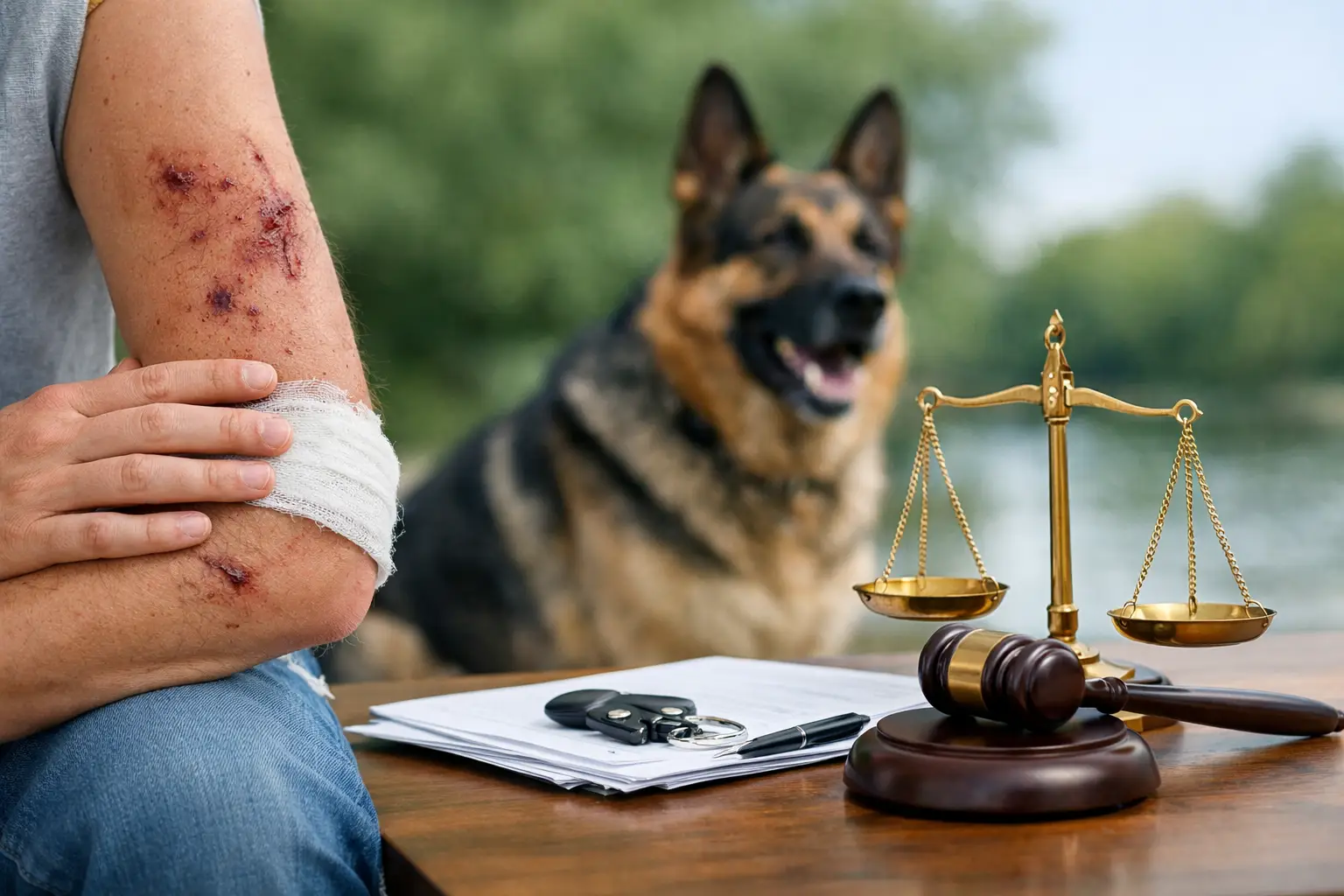
A dog attack can turn an ordinary day into an emergency in seconds. If you are facing medical treatment, missed work, scarring, or fear around dogs after an attack, dog bite injury compensation is not just a legal phrase. It is the money that may help you pay bills, replace lost income, and account for the harm the incident caused.
Dog bite cases are often more serious than people expect. Some injuries involve deep puncture wounds, nerve damage, infections, torn tissue, broken bones from a fall during the attack, or lasting facial scars. Children are especially vulnerable, and adults can suffer long-term physical and emotional effects as well. Insurance companies know these cases can carry real value, which is exactly why they may try to downplay the injury, question fault, or push for a quick settlement before the full extent of the damage is clear.
What dog bite injury compensation can include
Compensation depends on the facts, but the goal is straightforward: to make up for the losses caused by the attack. In many cases, that starts with medical expenses. Emergency room care, stitches, surgery, follow-up treatment, plastic surgery, antibiotics, physical therapy, and counseling may all be part of the claim.
Lost wages also matter. A serious bite can keep someone out of work for days, weeks, or longer. If the injury affects your ability to return to the same job or limits your earning capacity, that can increase the value of the claim. The financial effect of the attack is not limited to the first hospital bill.
Pain and suffering is another major part of many cases. Dog attacks are violent, frightening events. A victim may deal with physical pain, sleep problems, anxiety, embarrassment from visible scars, or a lasting fear of animals and public spaces. Those damages are real, even though they do not come with a receipt.
In some cases, compensation may also include damages for permanent disfigurement, disability, or future medical care. A facial injury to a child, for example, may require more than one procedure over time. A hand injury may affect grip strength and daily function well beyond the initial healing period.
Liability in a dog bite claim
The central question in any injury case is who is legally responsible. In dog bite claims, that usually means looking at the dog owner, the person keeping or controlling the dog, and sometimes the property owner depending on the facts.
Maryland law can be highly fact-specific in animal attack cases. Liability may turn on where the attack happened, whether the dog was running loose, whether the owner knew of aggressive behavior, and what the victim was doing at the time. A case involving a child attacked in a neighborhood yard may look very different from a case involving an adult bitten while entering private property.
That is one reason these claims should not be treated casually. Insurance carriers often search for facts they can use to reduce or deny payment. They may argue the victim provoked the dog, ignored warnings, or entered an area where they should not have been. Even when those defenses are weak, they can still complicate the claim if the evidence is not gathered early and presented properly.
Why the value of a case can vary so much
No honest lawyer should promise a standard payout for a dog bite case. The value depends on the injury, the available insurance, the strength of the liability evidence, and how the injury affects the victim’s life.
A minor bite with a short recovery is not valued the same way as an attack that causes surgery, visible scarring, infection, psychological trauma, or permanent impairment. Injuries to the face, hands, and arms often carry significant weight because they can affect appearance, movement, and daily activity. Claims involving children can also present long-term issues that need careful evaluation.
Insurance coverage matters too. In many cases, a homeowners or renters insurance policy may provide coverage. But policy limits can affect what is realistically recoverable, and insurers do not simply hand over fair money because a policy exists. They protect their bottom line. That means the claim must be documented and pushed with precision.
Evidence can make or break the claim
In the days after a dog attack, people are often focused on getting treatment and getting through the shock of what happened. That is understandable. Still, evidence matters from the beginning.
Photos of the injuries, torn clothing, blood, the location of the attack, and the dog itself can be important. Medical records help connect the incident to the treatment. Witness statements can clarify how the attack happened. Animal control reports and prior complaints involving the dog may also become relevant.
Timing matters because evidence can disappear quickly. Wounds heal. Scenes change. Memories fade. If the insurance company gets control of the narrative first, it may frame the case in a way that minimizes what actually happened.
Victims should also be careful when speaking with insurers. A recorded statement given too early can create problems later, especially if the full injury is not yet known. What seems like a routine call is often part of a strategy to limit exposure.
Medical treatment does more than help you heal
Consistent treatment is critical for your health, but it also affects the legal claim. Gaps in care can give the insurance company an opening to argue that the injuries were not serious or that the victim recovered quickly. If a doctor recommends follow-up care, therapy, or specialist treatment, those recommendations should be taken seriously.
Dog bites can lead to complications that are not obvious on day one. Infection, nerve damage, limited mobility, and emotional trauma may develop or become clearer over time. A claim settled too early can leave the injured person paying out of pocket later for treatment that should have been included.
This is especially true in cases involving scarring. The full extent of a scar may not be clear immediately. As healing progresses, the long-term cosmetic and functional impact can become more apparent. That is one reason quick settlement offers are often not in the victim’s best interest.
Common insurance tactics after a dog attack
Insurance companies often present themselves as cooperative in the early stages. That does not mean they are evaluating the claim fairly. They may ask for broad medical authorizations, suggest that treatment was excessive, or offer a fast payment before a victim understands the long-term effects of the injury.
Another common tactic is to treat the case like a minor incident because the wounds were cleaned and stitched on the same day. That ignores the reality of many dog bite injuries. A person can leave the ER and still face infection risk, scar revision, time off work, emotional trauma, and permanent changes in appearance or function.
A serious claim has to be built around evidence, not the insurer’s version of events. That means showing the nature of the attack, the medical impact, the disruption to work and daily life, and the lasting consequences.
Dog bite injury compensation and children
When a child is bitten, the case often carries added weight. Children are more likely to suffer facial injuries because of their height, and the emotional toll can be profound. A child may become fearful, withdrawn, or resistant to being outside or around animals. Medical care may involve specialists, future scar treatment, and ongoing monitoring as the child grows.
Parents are often under pressure to resolve the case quickly and move on. That is understandable, but a child injury claim should be valued with the future in mind. A scar that seems manageable now may look very different years later. Emotional injuries may also take time to fully emerge.
When to speak with a lawyer
If the dog bite required medical treatment, caused missed work, left visible scarring, involved a child, or led to an insurer contacting you for a statement or settlement, it is smart to get legal advice early. Waiting can make the case harder to prove and easier for the insurance company to control.
A lawyer can investigate liability, preserve evidence, deal with insurance adjusters, assess the full value of the harm, and push for compensation that reflects the real impact of the attack. For injured people in Maryland, that kind of focused representation matters. A firm like Batzer Law approaches these cases from one side only – the injured person’s side.
After a dog attack, people often want two things at once: to recover and to stop the financial pressure from getting worse. A strong claim can help with both, but only if it is handled with care from the start. If a dog bite disrupted your health, your work, or your family’s peace of mind, do not assume the insurance company will measure that loss fairly on its own.