
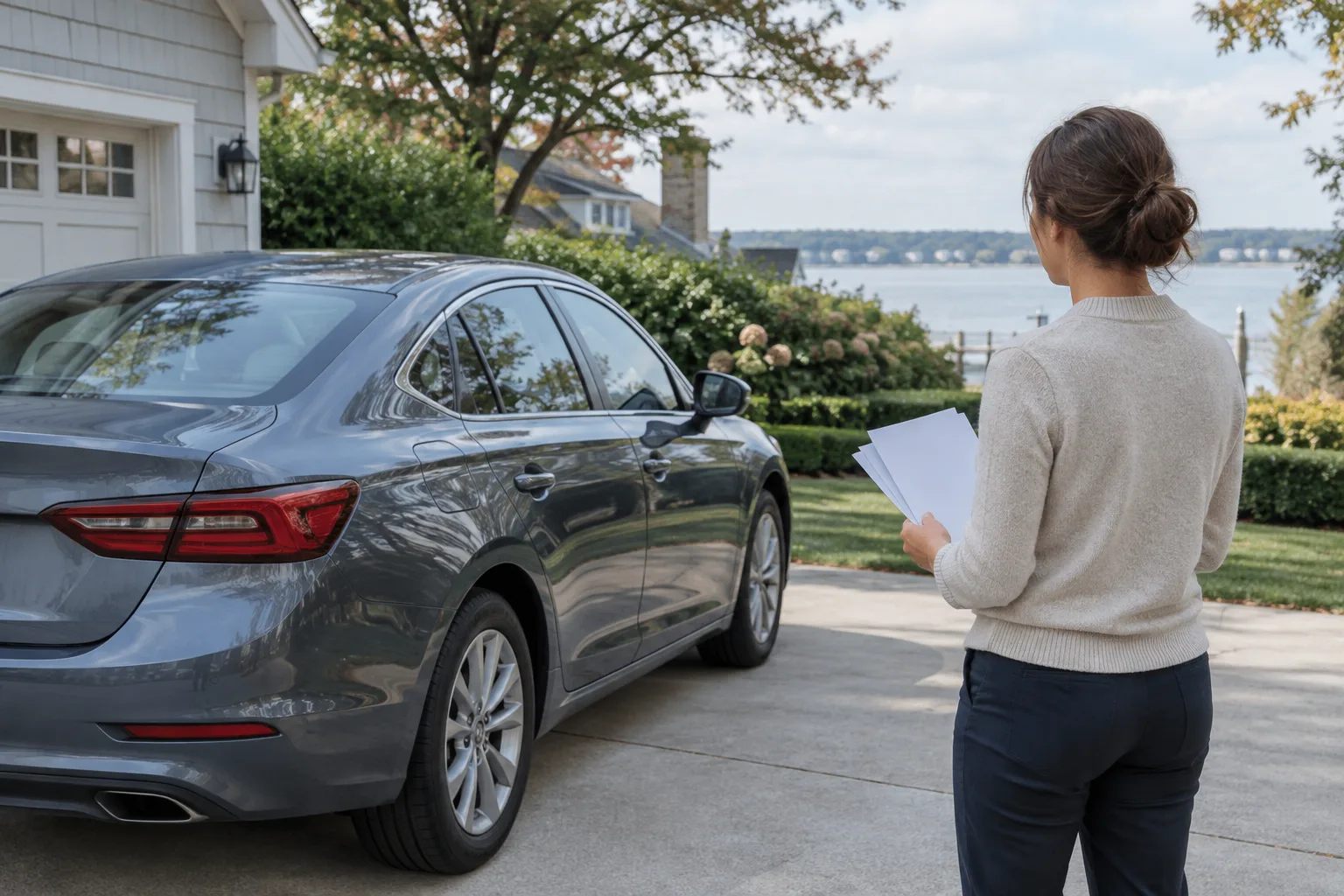
A crash can leave you with a damaged car and an offer that seems lower than the vehicle’s value to you. If you are handling a Maryland total loss car insurance dispute in Bel Air, MD, the difference may come from the insurer’s assumptions about your car, the market data in its report, or policy terms—not simply the vehicle’s purchase price or the amount still owed on a loan. The Law Offices of David Batzer helps Maryland drivers understand the issues that can arise in an insurance claim. This guide explains what a total-loss valuation generally measures, how to review the report, and what records may help clarify a disagreement.
Why a Maryland total-loss car valuation may differ
When an insurer treats a vehicle as a total loss, its valuation is generally aimed at the car’s actual cash value immediately before the crash, subject to the applicable policy or claim rules. Actual cash value is not necessarily the original purchase price, the amount needed to buy a newer vehicle, or the balance on an auto loan. The valuation may reflect the vehicle’s age, condition, equipment, mileage, and relevant market information.
An adjuster’s assessment depends on information gathered and evaluated. For a broader explanation of how Maryland insurance adjusters evaluate claim evidence, see the firm’s related overview; a vehicle-specific total-loss report also depends on details such as trim, options, condition, and comparable-car data.
Check the vehicle details first
Compare the report with your records and the vehicle as it was before the crash. Look for errors or omissions involving:
- Year, make, model, trim level, and body style.
- Mileage and any recorded odometer reading.
- Factory options, packages, and installed equipment.
- Pre-crash condition, including documented wear or prior damage.
- Upgrades or replacement parts that may be relevant to the vehicle’s market value.
A mismatch in trim or equipment can affect which vehicles the report treats as comparable. In Bel Air, MD, where a particular model’s local availability may differ from a broader regional market, it is useful to understand what area and data the report actually uses. Avoid assuming that every upgrade adds its full purchase price to the valuation; the question is how the feature may affect market value.
How to review the insurer’s valuation report
Request and read the written valuation, including the vehicle description, the comparable vehicles considered, and any adjustments or deductions. The report’s headline figure is only one part of the calculation. Check whether the listed comparisons are reasonably similar in model year, trim, mileage, options, and condition, and whether the report explains the adjustments made for differences.
Use this practical checklist:
- Verify condition. Gather service records, dated photographs, inspection records, and receipts that help describe the car before the crash. Separate pre-existing wear from damage caused by the collision.
- Confirm trim, mileage, and equipment. Compare the report against registration or purchase documents, maintenance records, and original build or option information when available.
- Document upgrades. Keep receipts and installation records for items such as replacement components or added equipment. Note that documentation supports review; it does not establish a guaranteed increase in value.
- Assess comparable listings. Save relevant listings for similar vehicles and note their location, mileage, trim, and condition. Asking prices are not necessarily completed sale prices, so explain why each comparison is useful rather than treating one listing as conclusive.
- Review deductions and net payment. Check how the report accounts for condition adjustments, applicable deductible, taxes or fees if addressed, and other policy-specific items.
A careful review of the written terms and supporting figures can help you understand an offer before responding. The firm’s guide to a careful review of an insurance settlement offer discusses settlement review generally; it is not a vehicle-appraisal method, so use the valuation report itself for the car-specific details.
What to do when figures do not match your records
A valuation difference does not by itself show that the insurer made an error. It does give you a reason to identify the precise point of disagreement. Keep communications organized, refer to the report’s specific entry or comparable, and provide relevant records with a brief explanation of what they show. Ask the insurer to explain unclear assumptions or adjustments. The available review process can depend on whether the claim is under your own policy or another driver’s coverage, as well as the policy language and facts.
Loan information is important, but it is not the same thing as the car’s market value. The insurer may need payoff information to determine how payment is handled when a lender has an interest in the vehicle. If the loan balance is higher than the settlement, that difference may not be covered unless an applicable policy or separate coverage addresses it. Check the relevant documents and ask the insurer or lender to explain how the figures relate; this is general information, not financial advice.
Bel Air drivers may also consult the Maryland Insurance Administration for general consumer information about insurance and its complaint process. Its role is distinct from determining a vehicle’s value in an individual claim. If questions remain unanswered, or the valuation issue is part of a larger accident claim, learn when to call a car accident lawyer in Maryland. Whether legal help makes sense depends on the circumstances; not every disagreement requires an attorney.
Frequently Asked Questions
Does an insurer have to use the exact comparable cars I find?
Not necessarily. The valuation method can depend on the policy, claim type, and information available to the insurer. Listings you locate may help identify differences in trim, mileage, options, or market area, but asking prices do not automatically establish a vehicle’s value. Share specific comparisons and ask how the insurer assessed them. A Maryland attorney can explain how the relevant policy terms may apply to your circumstances.
Can an upgrade raise a totaled car’s value?
An upgrade may be relevant, but its original cost does not necessarily translate dollar-for-dollar into a higher total-loss valuation. Keep receipts, installation records, and photographs, and identify the feature in the report if it is missing or described incorrectly. The insurer’s treatment may depend on the type of equipment, the vehicle’s condition, market evidence, and the applicable valuation process.
What if I still owe more than the insurer’s valuation?
The loan payoff and the vehicle’s actual cash value are different figures. Depending on the loan and coverage, payment may be directed partly or entirely to a lender, and a remaining balance may still exist. Review the loan documents and policy, and ask the lender and insurer how they calculated the amounts. This article does not provide financial advice about managing a loan shortfall.
Can I question a total-loss valuation in Bel Air?
You can ask the insurer to explain its report and point out factual issues, such as incorrect mileage, trim, equipment, or condition. The available options depend on the policy, claim type, and circumstances. Bel Air residents can also look to the Maryland Insurance Administration for general consumer information. If the dispute overlaps with injury or other claim issues, an attorney may help assess the situation.
How The Law Offices of David Batzer Can Help
The Law Offices of David Batzer is dedicated to helping people understand the insurance issues that can follow a Maryland car accident. The firm can review the circumstances of a claim, help identify questions about the valuation materials, and discuss how a vehicle-value dispute may relate to other accident-related concerns. No particular result can be promised, and the right next step depends on the facts and applicable policy. If you are in Bel Air or elsewhere in Harford County, contact the firm to discuss your situation and ask about a free case evaluation.
Legal disclaimer: The information in this article is for educational purposes only and does not constitute legal advice. Laws and insurance procedures vary by location and may change; contact an attorney licensed to practice in Maryland for advice specific to your situation.