
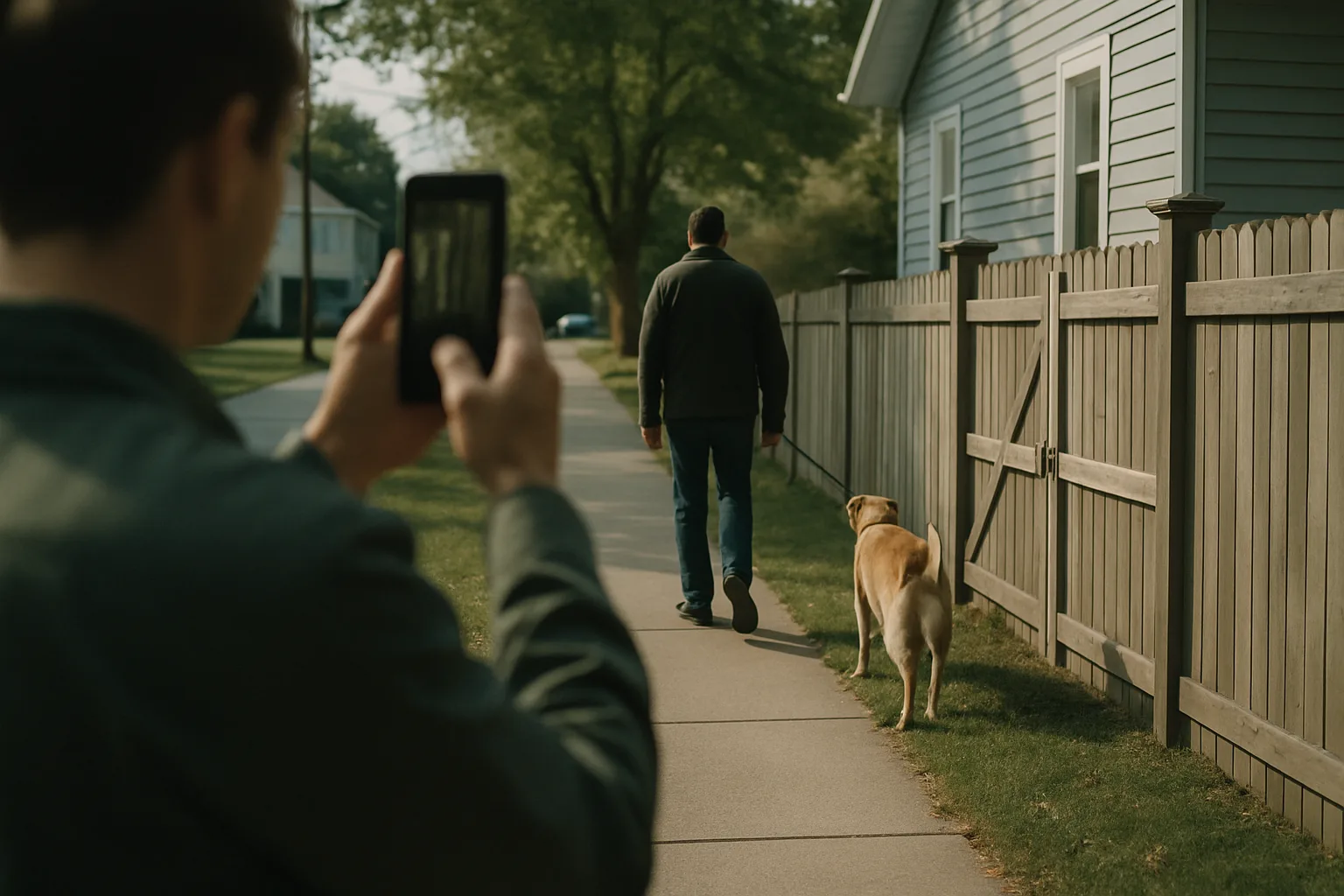
A dog bite can leave a person dealing with medical care, lost time from work, and uncertainty about what happened next. If the incident occurred at a home, apartment complex, business, park, or another location, the dog’s owner may not be the only person whose conduct matters. Could a Dog Bite Claim in Bel Air Involve More Than the Dog’s Owner? In some circumstances, the answer may be yes.
A Bel Air dog bite lawyer may examine who owned the animal, who had custody or control, whether someone else allowed the dog to remain on the property, and whether a property-related hazard contributed to the attack. The Law Offices of David Batzer can serve as a knowledgeable guide while a potential claim is evaluated. This article explains possible responsible parties and the practical steps that can help preserve a Maryland dog bite injury claim, including medical documentation, animal-control reporting, photographs, witness information, insurance communications, and other evidence.
When a Bel Air Dog Bite Claim May Involve More Than the Owner
Maryland dog-injury claims are fact-specific. The owner is often an important party, but responsibility may also depend on who possessed the dog, exercised control over it, or had notice of a dangerous condition. A person does not automatically become legally responsible simply because the incident happened on property they own or manage.
Owners, keepers, and temporary custodians
A person who watches, houses, walks, trains, boards, or otherwise controls a dog may be relevant to the investigation. For example, a household member, dog walker, boarding business, or pet-care provider may have information about the animal’s behavior and supervision. Whether that person may be legally responsible depends on the agreement, the level of control, what they knew, and the facts surrounding the attack.
Maryland law can recognize different theories of responsibility involving a dog, including issues concerning an animal being at large, negligence, and known dangerous behavior. The applicable analysis may change based on the location and circumstances. A Bel Air, MD claim may also require examining whether a third party’s conduct contributed to the injury rather than assuming that ownership alone answers every question.
Landlords and property managers
Landlords and property managers are not automatically liable for every dog bite on rental property. Their potential involvement may depend on facts such as whether they knew about the dog, had authority to enforce lease or animal rules, controlled a common area, or knew of a hazardous condition that contributed to the incident. A lease, maintenance record, complaint history, or prior notice may become important evidence.
What Evidence Helps Identify Responsibility in Maryland?
Early documentation can help preserve details that may later become difficult to locate. In a Maryland dog bite injury claim, evidence should address both the injury and the relationships among the dog, the people involved, and the property. Depending on the circumstances, useful information may include:
- Medical records, discharge instructions, photographs of visible injuries, and documentation of follow-up care.
- The date, time, and exact location of the incident, including the address or name of the property.
- Photographs of the scene, gates, fences, warning signs, lighting, entrances, broken latches, or other relevant conditions.
- The dog’s appearance, the owner’s or handler’s identity, and statements made after the incident.
- Names and contact information for witnesses, nearby residents, employees, delivery workers, or passersby.
- Animal-control or law-enforcement reports, if any, and information about rabies-control procedures or vaccination records.
- Lease provisions, posted rules, emails, maintenance requests, or prior complaints that may show notice or control.
Reporting and preserving the medical record
Animal-control reporting can create an official record and may help public authorities address vaccination or safety issues. In Harford County, the appropriate local animal-control or public-safety agency may depend on where the incident occurred. Emergency medical needs should take priority, and emergency services may be appropriate when injuries are severe or immediate danger remains.
Medical documentation should accurately describe what happened and the symptoms observed. Photographs can show changes over time, but they should be stored with the original date information when possible. A person should avoid altering images or relying only on social-media posts, which may not preserve the full context.
Insurance communications
Homeowners, renters, business, and specialty policies may potentially provide coverage for dog bite injuries, but coverage depends on the policy language, exclusions, insured status, and facts. A person may receive a call, form, or request for a recorded statement from an insurer. Communications should be truthful and careful; uncertainty about a detail is different from guessing.
Insurance for dog bite injuries in Maryland may involve more than one policy, particularly when the incident occurred at a rental property or while the dog was in someone else’s care. Keeping copies of correspondence, claim numbers, photographs, bills, and receipts can help organize the claim. An attorney may review proposed statements or releases before a person decides how to respond.
Protecting a Dog Bite Claim in Bel Air: Process and Common Mistakes
The first steps after an attack often affect how clearly the facts can be evaluated. A person considering a dog bite claim in Bel Air may find it useful to create a private incident timeline while memories are fresh. The timeline can identify who was present, how the dog was restrained, what warnings were given, and what happened immediately afterward.
Common evidence-preservation mistakes include:
- Waiting too long to obtain medical documentation or photograph injuries.
- Failing to identify witnesses before they move, change jobs, or forget important details.
- Throwing away torn clothing, damaged personal property, or other physical evidence without documenting it.
- Assuming the owner’s identity is enough and not recording the name of the handler, landlord, business, or property manager.
- Posting detailed conclusions about fault or liability online.
- Signing a broad release before understanding what claims or records it may affect.
A potential claim may involve communications with an insurer, the dog owner, a property manager, animal control, and medical providers. Keeping communications organized can reduce confusion. It may also be important to preserve surveillance footage promptly because businesses, apartment communities, and other property operators may overwrite recordings under routine retention practices.
An attorney evaluating dog attack liability in Harford County may ask whether the dog was properly controlled, whether there was prior notice of aggressive behavior, whether a premises condition played a role, and who had the practical ability to prevent the incident. Maryland’s deadlines and liability rules can vary with the claim and the parties involved, so timing should be discussed with a licensed Maryland attorney rather than assumed.
Frequently Asked Questions
Can a landlord be responsible if a tenant’s dog bites someone?
Possibly, but property ownership alone generally does not establish responsibility. The analysis may depend on whether the landlord or manager knew about the dog or a prior risk, had control over the relevant area, or had a legal duty connected to the condition that contributed to the incident. Lease terms, complaints, inspection records, and the location of the attack may all matter in a Bel Air, MD premises-liability analysis.
Does reporting a bite to animal control prove who is legally liable?
No. An animal-control report may preserve useful information about the incident, the dog, vaccination status, and involved individuals, but it does not by itself decide civil liability. A civil claim may require additional evidence about ownership, custody, notice, supervision, medical harm, and applicable Maryland law. The report should be retained with other records and reviewed in context.
What if the dog was being walked or boarded by someone else?
The identity and role of the walker, sitter, trainer, or boarding provider may be important. Potential responsibility can depend on who had possession or control, what instructions were given, whether supervision was reasonable, and whether the provider knew of a risk. A contract, receipt, text message, or business record may help establish the arrangement, but the legal effect depends on the facts.
Can an insurer ask for photographs and medical records after a bite?
An insurer may request information while investigating a claim, but the scope and purpose of the request can matter. Medical records should accurately relate to the injury and treatment, and photographs should be preserved in their original form when possible. Before signing a release or giving a recorded statement, a person may wish to understand the request and discuss the situation with a qualified attorney.
How The Law Offices of David Batzer Can Help
The Law Offices of David Batzer is dedicated to helping injured people understand the issues that may affect a personal injury or premises liability claim. The firm can evaluate available evidence, consider whether parties beyond the dog’s owner may be relevant, and help organize questions involving medical records, animal-control reports, photographs, witnesses, and insurance communications.
The firm is committed to fighting for clients’ rights while recognizing that every Maryland dog bite case depends on its own facts. If you were injured in Bel Air, MD or elsewhere in Harford County, contact The Law Offices of David Batzer for a free consultation or case evaluation to explore your legal options.
The information in this article is for educational purposes only and does not constitute legal advice. Contact a qualified attorney licensed in Bel Air, MD for advice specific to your situation.