
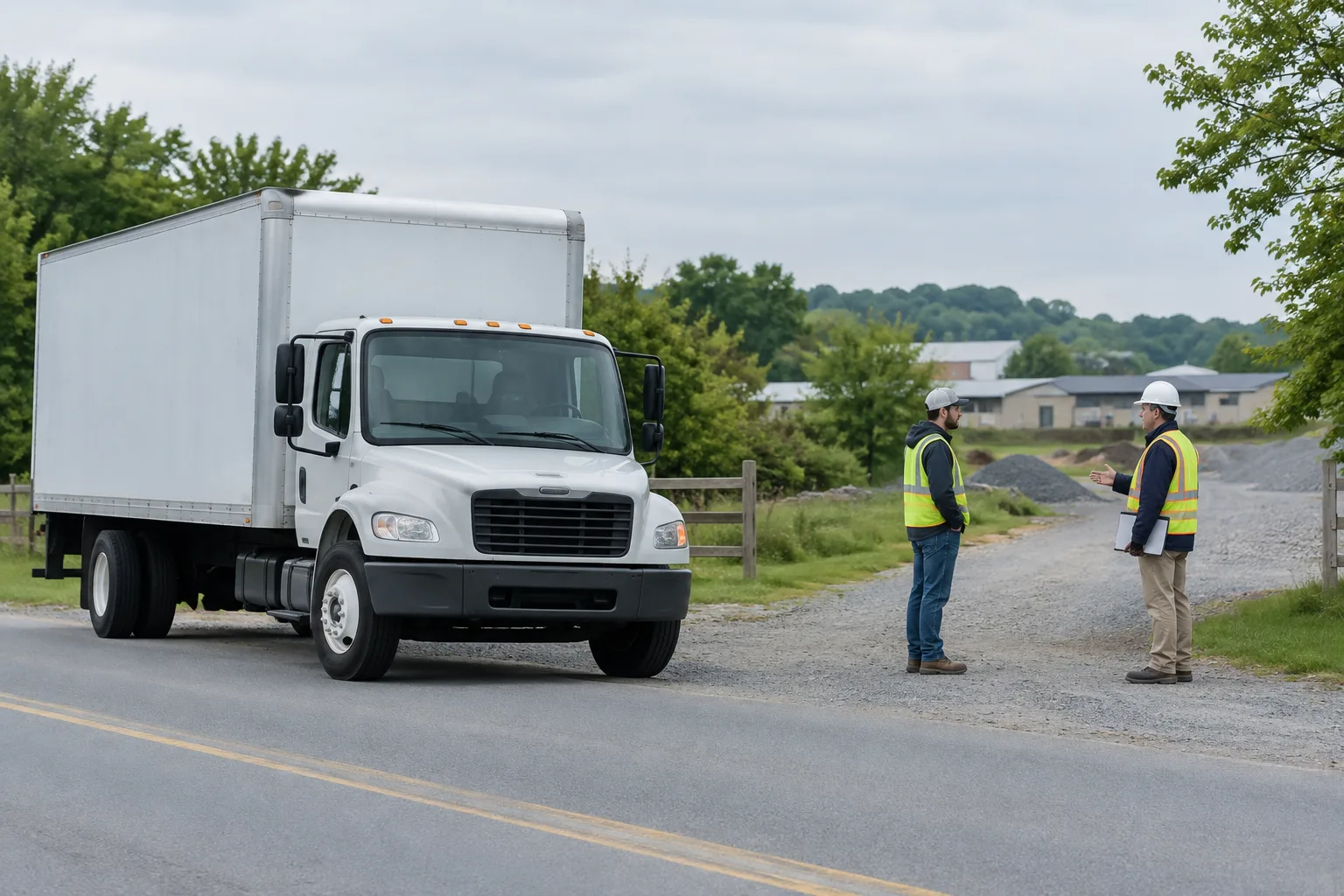
A crash involving a delivery truck, tractor-trailer, or other commercial vehicle can disrupt more than a commute when it happens during a work assignment. A work-related truck accident in Maryland may raise two separate questions: whether workers’ compensation benefits apply and whether another party may be responsible for the collision. For an employee in Bel Air or elsewhere in Harford County, those issues can involve different processes and different evidence.
The first days after a crash can bring calls from an employer, an insurer, or people seeking information about what happened. The Law Offices of David Batzer helps people understand how these issues may fit together. This guide explains how to report the work injury, follow medical instructions, document missed work and modified duties, and ask whether a claim involving someone outside the employer may also be relevant. The right path depends on the facts, and the claims should not be assumed to produce the same benefits or result.
How Workers’ Compensation Applies After a Work-Related Truck Accident in Maryland
When a collision happens while an employee is performing job duties, workers’ compensation may be one part of the response. The circumstances matter: driving between work locations, making a delivery, or carrying out an assigned task may raise different factual questions than an ordinary commute. An employee’s status and the connection between the work and the crash can also matter. A claim is not determined solely by the fact that a truck was involved.
Report the crash as a work injury
Generally, an employee should notify the employer promptly that an injury occurred and explain that the crash happened while performing work duties. Provide a clear account of when and where it happened, what work task was underway, and who was notified. Keep a personal record of the report, including its date, the person contacted, and any written follow-up. Avoid guessing about details that are not known.
For more detail about the reporting process, see Maryland steps for reporting a workplace injury. A timely, accurate report can help preserve the basic facts while memories are fresh.
Get care and preserve crash information
A treating health professional can evaluate an injury and explain appropriate care. In a workers’ compensation matter, it is important to understand any instructions about follow-up, work limits, and appointments, and to keep copies of relevant paperwork. If a provider gives restrictions, share them through the appropriate workplace process and keep a record of what was communicated.
If available and safe to preserve, crash photographs, witness names, incident or police report information, and employer communications may help establish what happened. Do not put yourself at risk to collect evidence. These steps to take after a Maryland truck accident offer additional context on medical care and crash information. In Bel Air, the Maryland Workers’ Compensation Commission administers the state workers’ compensation system; the process is not simply a matter of filing a case in a local courthouse.
Track Missed Work, Pay, and Modified Duties
A work-related crash can affect a person’s schedule and earnings even when they are not completely unable to work. Keep a simple, dated record of time missed, hours reduced, changes in duties, and communications about returning to work. Relevant records may include pay statements, work schedules, attendance information, and written messages from an employer. These details can help clarify how the injury affected work over time.
See records that can document lost wages after a Maryland injury for examples of information to retain. Do not assume that a missed shift, a modified schedule, and a change in pay are automatically treated alike; the circumstances and applicable rules matter.
Follow restrictions and document any return to work
If a treating provider sets work restrictions, keep the written instructions and any updated versions. If an employer offers modified duties, save the assignment and note the actual tasks and hours worked. If those duties seem different from the restrictions, record the difference and raise the question through the appropriate workplace or medical channel rather than silently continuing or making assumptions about what is permitted.
These records to keep when returning to light duty after a Maryland work injury can help organize the details. In Bel Air and throughout Harford County, workers may have changing schedules or duties while an injury is being addressed. Clear records can help explain what work was available, what was performed, and when restrictions changed.
Workers’ compensation questions are handled under Maryland’s statewide system, including the Maryland Workers’ Compensation Commission. The Commission’s process is distinct from a possible injury claim against another party. If a dispute arises about benefits, eligibility, or work capacity, the relevant facts and procedural options can depend on the claim’s status and the applicable Maryland rules.
How a Separate Truck-Crash Claim May Fit Alongside Workers’ Compensation
Workers’ compensation and a claim against a potentially responsible third party are not the same claim. Workers’ compensation may address certain employment-related benefits, subject to the rules and facts. A separate claim may be considered when someone other than the employer may have contributed to the collision. Whether such a claim exists depends on evidence of responsibility and the specific circumstances; it should not be presumed just because another vehicle was involved.
Learn more about when a Maryland workplace accident may support a third-party claim. A separate investigation may examine the truck driver, the motor carrier, or other parties based on the evidence. This does not mean any one of them is automatically at fault. The potentially responsible parties in a Bel Air truck crash can vary with the events and available records.
Keep the two tracks organized
The claims may involve different forms, decision-makers, evidence, and deadlines. In some circumstances, workers’ compensation payments and a third-party recovery can affect one another, including questions about reimbursement or a lien. The rules can be fact-specific, so an employee should not assume that receiving one type of benefit settles every issue or that two claims can be handled independently without coordination.
Useful questions to discuss with a qualified attorney may include:
- Which work-injury reports or claim documents have been submitted?
- What evidence identifies how and why the collision occurred?
- Who owned or operated the truck, and who controlled the work assignment?
- How have missed hours, restrictions, and any modified work been recorded?
- Could payments or a recovery in one matter affect the other?
Releases and recorded statements can have different effects depending on the circumstances. A Maryland-licensed attorney can explain the implications of a specific request. The firm’s Maryland workers’ compensation practice provides information about the work-injury side of these questions.
Frequently Asked Questions
Does a work-related truck crash go through Harford County court?
Not necessarily. Maryland workers’ compensation claims are handled through the statewide workers’ compensation system, including the Maryland Workers’ Compensation Commission. A separate claim against another party may follow a different process, and the appropriate venue can depend on the facts and legal issues. Bel Air is in Harford County, but the location of the crash alone does not determine every claim’s process or forum.
What if I was driving my employer’s vehicle when the crash happened?
The fact that an employer owned the vehicle does not, by itself, answer every question about workers’ compensation or responsibility for the crash. The work assignment, the circumstances of the trip, who operated or maintained the vehicle, and the available evidence may all be relevant. The relationship between any employer-related benefits and a possible claim against another party should be evaluated based on the specific facts.
Can I make a workers’ compensation claim if I was on a delivery route?
A crash during a delivery or other assigned work task may raise a workers’ compensation question, but eligibility depends on the circumstances and Maryland law. The details of the route, the employee’s duties, and what happened at the time may matter. Reporting the event accurately and keeping records can help clarify the issue, but an attorney can assess how the rules apply to a particular situation.
What information can help when I speak with an attorney?
A useful starting point may include the date and location of the crash, a description of the work task, employer communications, available crash or witness information, medical paperwork, and records of missed or modified work. It is fine if some records are not available yet. An attorney can identify what may be relevant and explain how workers’ compensation and any separate claim could relate to one another.
How The Law Offices of David Batzer Can Help
The Law Offices of David Batzer is dedicated to helping injured workers understand the questions that can arise after a truck collision on the job. The firm can review how the work injury was reported, what records may help explain missed work and restrictions, and whether the facts suggest a separate claim involving another party. Workers’ compensation and truck-crash claims can involve different rules, so the details matter. The firm is committed to fighting for clients’ rights and is ready to evaluate your situation. Contact The Law Offices of David Batzer to request a free consultation or case evaluation.
The information in this article is for educational purposes only and does not constitute legal advice. Contact a qualified attorney licensed to practice in Maryland for advice specific to your situation. Laws vary by location and may have changed since publication.