
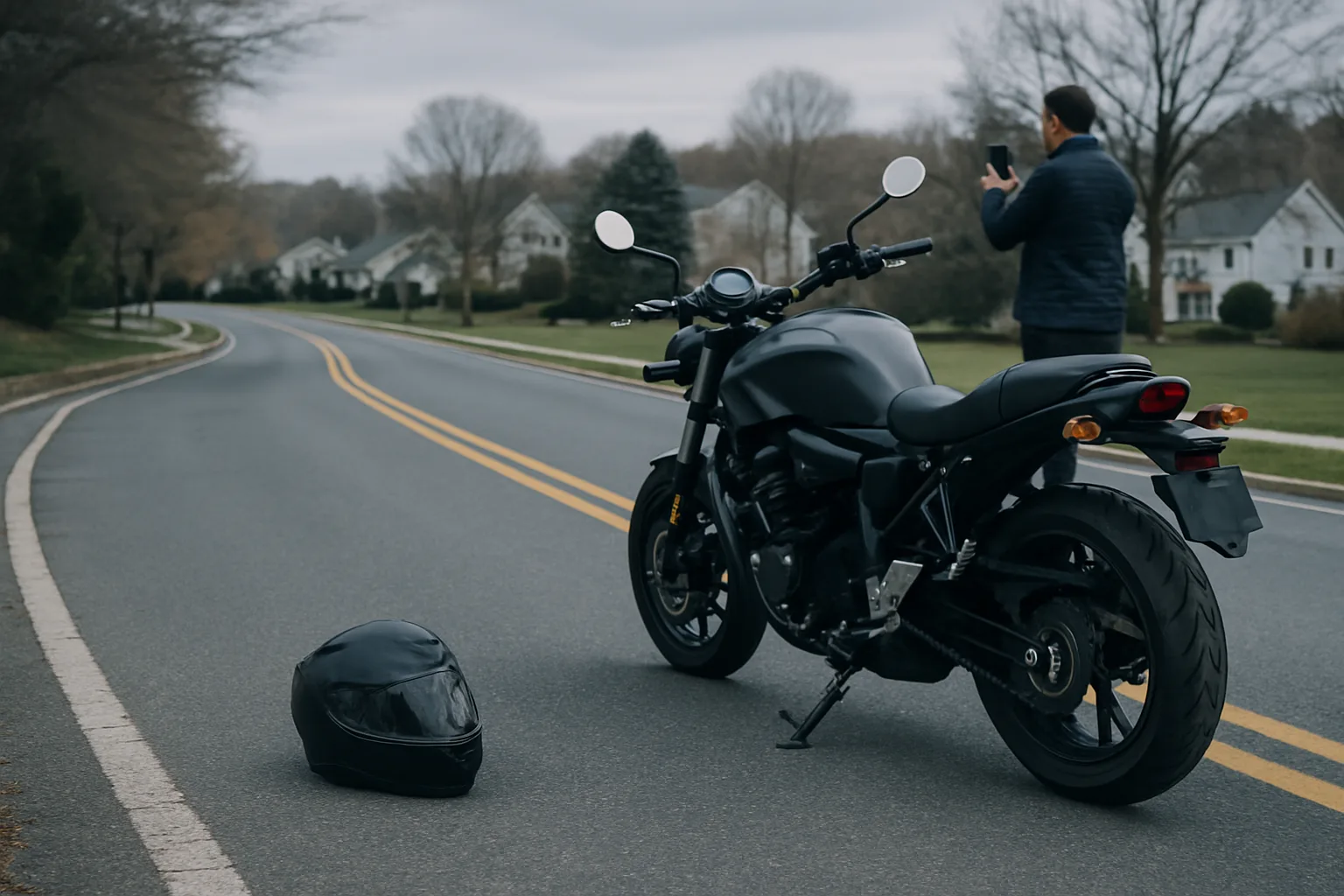
A motorcycle collision can leave a rider facing pain, damaged protective equipment, and several competing versions of what happened. Was the motorcycle visible? Was it positioned properly in the lane? Did a roadway defect, lighting condition, or another vehicle’s movement contribute? These questions can become central to a Maryland motorcycle accident claim, particularly when physical evidence changes quickly.
That is why the question “Why can a Bel Air motorcycle accident lawyer help prove a difficult claim?” is more practical than it may first appear. A motorcycle crash claim may depend on photographs, medical records, vehicle damage, witness accounts, and careful separation of verified facts from assumptions. Maryland motorcycle accident laws can also shape disputes involving protective equipment, insurance, fault, and available evidence.
The Law Offices of David Batzer helps people understand the evidence-centered issues that may arise after a collision. This article explains immediate steps to take, why physical and witness evidence matters, how bias and unsupported fault allegations can affect a claim, and what a Bel Air rider may want to discuss with a qualified Maryland attorney.
Why Is a Maryland Motorcycle Accident Claim Difficult to Prove?
Motorcycle crashes often involve a narrow window of time and limited physical protection. A driver may say the motorcycle appeared suddenly, while the rider may recall being visible and properly positioned. Without photographs, measurements, independent witnesses, or vehicle data, an insurer or fact-finder may have to compare accounts that conflict.
Visibility and lane positioning
Visibility can depend on lighting, weather, traffic, road design, blind spots, and the movements of other vehicles. Lane position may also be disputed. A diagram, scene photograph, traffic-camera recording, or witness statement may help explain where each vehicle was and what each person could reasonably see. The absence of such evidence does not automatically decide fault, but it can make the factual dispute harder to resolve.
Damage and protective equipment
The location and pattern of damage may be relevant to reconstructing contact, direction, and force. A damaged helmet, jacket, gloves, or boots may help document the event and the rider’s injuries, but gear photographs generally do not answer every liability question. In Bel Air, MD, preserving the motorcycle and equipment before repairs, cleaning, or disposal may help maintain information that later becomes difficult to recover.
What Immediate Steps Can Preserve Motorcycle Crash Evidence in Bel Air?
The first priority after a collision is safety and appropriate medical attention. Once immediate hazards are addressed, a rider or a trusted person may be able to preserve information that supports an accurate account. The following steps are general educational guidance, not a substitute for advice about a specific crash.
1. Obtain medical care and document symptoms
Adrenaline can affect how a person experiences pain immediately after a collision. Prompt evaluation may create a contemporaneous medical record and give healthcare professionals an opportunity to assess reported symptoms. Riders can accurately describe what they feel, follow appropriate care instructions, and keep records of appointments, restrictions, and changes. These medical steps after a Bel Air collision may be important when connecting claimed injuries to the crash.
2. Preserve the motorcycle and gear
Avoid repairing, discarding, cleaning, or altering the motorcycle or protective equipment before it has been documented, when circumstances permit. Photograph the motorcycle from multiple angles, including damaged parts, controls, lights, tires, and surrounding debris. Keep damaged gear in a secure location. Guidance on preserving crash evidence after a Maryland wreck explains why physical evidence can matter when vehicle damage or impact mechanics are disputed.
3. Photograph injuries and the scene safely
Photographs may show visible injuries, swelling, bruising, damaged gear, road conditions, lane markings, sight lines, weather, and lighting. Do not enter traffic or create another hazard to obtain a picture. A trusted person may also help maintain a dated record of changes in visible injuries. Documenting accident injuries for a Maryland claim can supplement, but never replace, professional medical documentation.
How Do Witnesses, Road Conditions, and Insurers Affect Proof?
Independent information can be especially useful when the people involved remember the collision differently. Riders should identify potential witnesses when reasonably safe, record names and contact information, and preserve photographs or messages that may help locate them. It is generally better to avoid arguing about fault at the scene or making guesses about speed, visibility, or lane position.
A police report may contain accounts, diagrams, observations, and witness information. It is potentially useful evidence, but it may not be the final word on liability. Readers can review information about Bel Air police reports in Maryland injury claims to understand why omissions or inaccuracies may need careful review.
Roadway conditions and other possible causes
Debris, pavement defects, construction activity, drainage problems, or inadequate maintenance may be relevant in some collisions. Safely photograph the condition, note its location, and preserve information about weather and lighting before the scene changes. A motorcycle crash road hazard claim may involve different evidence and potentially different parties than a claim focused only on another driver.
How an insurer may evaluate the claim
An adjuster may compare the rider’s account with vehicle damage, photographs, medical timing, witness statements, and comments about helmet use or visibility. Statements that seem minor at the time can later be characterized as inconsistencies. A rider should provide accurate information and avoid unsupported conclusions. This overview of how Maryland insurance adjusters evaluate claims explains why organized records can matter during an insurance review.
Maryland’s contributory-negligence framework can make allegations about a rider’s own conduct significant. The legal effect of an allegation depends on the facts and applicable law; stereotypes about motorcyclists are not proof. Understanding Maryland contributory negligence rules may help readers recognize why verified evidence is more important than assumptions.
What Common Mistakes Can Weaken a Maryland Motorcycle Crash Claim?
A difficult claim is not necessarily an unsupported claim. However, avoidable gaps can make it harder to establish what happened and how the collision caused the claimed harm. Common problems may include:
- Delaying medical evaluation or failing to mention relevant symptoms accurately.
- Repairing or selling the motorcycle before photographs and inspection are considered.
- Throwing away a damaged helmet or protective clothing.
- Failing to identify witnesses while their contact information is available.
- Posting speculation about fault, speed, injuries, or the other driver on social media.
- Treating a police report as conclusive without checking whether it accurately reflects the evidence.
- Assuming that helmet use, lane position, or a motorcycle’s presence proves or disproves fault without examining the full circumstances.
A claim may involve records from medical providers, repair facilities, insurers, law enforcement, witnesses, and possibly public agencies responsible for roadway conditions. Organizing those sources can help an attorney evaluate consistency, missing information, and competing explanations. In Harford County, a lawyer may also consider which court or agency records are relevant, depending on the parties and issues involved.
Maryland laws and procedures can change, and the appropriate approach may depend on the crash location, injuries, insurance coverage, and available evidence. A consultation can help a rider understand the issues to investigate without assuming that any particular result is guaranteed.
Frequently Asked Questions
Does a motorcycle helmet determine who caused a Maryland crash?
No. Helmet use may be relevant to injury allegations or legal issues, but it does not by itself establish who caused a collision. Liability generally depends on the facts, including visibility, traffic movements, lane position, warnings, roadway conditions, and witness evidence. Maryland law can change and may apply differently depending on the circumstances, so a qualified attorney should evaluate the specific claim.
Can I still have a claim if no witness saw my motorcycle crash in Bel Air?
Possibly. The absence of an eyewitness does not automatically resolve fault. Photographs, vehicle damage, medical records, physical evidence, scene conditions, electronic information, and consistent statements may help establish what occurred. The strength and availability of that evidence vary. A Bel Air, MD attorney can discuss what information may support or complicate an individual claim.
Should I give an insurance adjuster a recorded statement after a motorcycle collision?
Insurance communications can affect how a claim is evaluated, and a recorded statement may create a lasting account of the event. Riders should provide accurate information and avoid guessing, exaggerating, or minimizing symptoms. Because the appropriate response depends on the policy, insurer, and circumstances, it may be useful to seek advice from a licensed Maryland attorney before making significant statements.
Can roadway conditions support a motorcycle injury claim in Maryland?
They may, depending on whether a pavement defect, debris, construction condition, drainage issue, or maintenance problem contributed to the crash and whether the required evidence can be established. Photographs, location information, weather records, reports, and maintenance history may be relevant. Claims involving public entities can involve special rules, so local legal advice is important.
How The Law Offices of David Batzer Can Help
The Law Offices of David Batzer is dedicated to examining the evidence behind Maryland motorcycle collision claims, including medical records, protective gear, vehicle damage, witness accounts, police information, roadway conditions, and insurance communications. The firm is committed to fighting for clients’ rights while recognizing that every crash has different facts and legal issues. The team is ready to evaluate your situation and explain potential options in a consultation.
If you or a family member was injured in a motorcycle collision in Bel Air or elsewhere in Maryland, contact The Law Offices of David Batzer for a free consultation or case evaluation.
The information in this article is for educational purposes only and does not constitute legal advice. Contact a qualified attorney licensed in Bel Air, MD for advice specific to your situation.